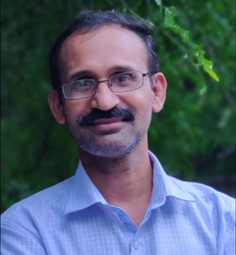
Dr. Amul J. Sakharkar
Fellow, Indian Academy of Neurosciences
amul.sakharkar@unipune.ac.in | amulsakharkar@gmail.com
Phone: (+91) 020 2562 2233
At SPPU: Since 2015
Assistant Professor (2010–2015): University of Illinois at Chicago, USA
Post-doctoral Research Associate (2007–2010): University of Illinois at Chicago, USA
Post-doctoral Fellow (2006–2007): Pennington Biomedical Research Center, USA
Ph.D. Biochemistry (2001–2006): R.S.T.M. Nagpur University, India
The laboratory is engaged in investigating the molecular underpinnings of the neural functions, such as decision-making, risky behavior and reward processing. The major focus of the lab remains to understand the epigenetic basis of neuroadaptations due to experience and how it manifest into the behavior. In addition, a project in the lab probes the involvement of gut microbes in shaping the neural circuits of emotion through epigenetic remodeling.
Research Focus & Thrust Areas
Neuroepigenetics of Addiction & Anxiety
Understanding how chromatin remodeling, histone deacetylases (HDACs), and DNA methylation in the extended amygdala regulate anxiety-like behavior, alcohol drinking, and rapid tolerance.
Traumatic Brain Injury (TBI)
Elucidating the role of epigenetic regulation (DNMT3b, HDACs, TET1) in mild traumatic brain injury (mTBI)-induced mitochondrial dysfunction, oxidative damage, and cognitive deficits.
Neuropeptidergic Circuitry
Exploring CART peptide, Neuropeptide Y (NPY), and Orexinergic pathways in the lateral hypothalamus and nucleus accumbens during reward, reinforcement, and stress response.
Gut-Brain Axis & Psychobiotics
Investigating how intestinal microbial diversity and gut epigenetic remodeling modulate amygdaloid function and traumatic stress-induced anxiety disorders.
Extramural Research Grants
Total Funding: ₹2.8+ Cr. (India since 2016)| Funding Agency | Project Title | Duration | Outlay (INR) |
|---|---|---|---|
| SERB, GOI | Novel role for GABAergic neurotransmission in epigenetic regulation of neuropeptidergic system in lateral hypothalamus during reward and reinforcement | 2023 - Ongoing | ₹55,60,000 |
| RUSA, GOI | An interdisciplinary approach for psychobiotics development towards the management of anxiety disorders | 2020 - Ongoing | ₹32,00,000 |
| SERB, GOI | Understanding the role of PRMT4 mediated Neuropeptide Y gene regulation in the amygdala during Reward and Reinforcement | 2022 - 2025 | ₹48,72,000 |
| SERB, GOI | Role of chromatin remodelling in the regulation of cocaine and amphetamine-regulated transcript peptide (CARTp) during reward and reinforcement | 2021 - 2024 | ₹70,40,000 |
| SERB, GOI | A role for DNA methylation in mild traumatic brain injury (MTBI)-induced mitochondrial dysfunction in hippocampus | 2018 - 2022 | ₹64,70,000 |
| CSIR, GOI | Role of histone acetylation-mediated regulation of cocaine- and amphetamine-regulated transcript (CART) gene function in learning and memory | 2018 - 2020 | ₹12,00,000 |
| IBRO, Switzerland | IBRO-School of Neuroscience | 2018 - 2019 | ₹12,00,000 |
| S. P. Pune University | Effects of social isolation stress (SIS) on mitochondrial DNA methylation and downstream gene expression in the hippocampus of rats | 2016 - 2018 | ₹2,75,000 |
| UGC, GOI | UGC – Start-up Research Grant | 2015 - 2017 | ₹6,00,000 |
Publications in Peer-Reviewed International Journals
- Sagarkar S, Rotti D, Raykar S, Upadhye GA, Sakharkar AJ*. (2025) Histone arginine methylation regulates neuropeptide Y expression in basolateral amygdala to promote reward seeking behavior. Cellular and Molecular Neurobiology 45:92. (ISSN: 0893-7648) (Impact Factor = 7.4).
- Pawar N, Dudhabhate BB, Borade V, Sahare DK. Bhute YV, Subhedar NK, Kokare DM, Sakharkar AJ*. (2024) CREB-Binding Protein Regulates Cocaine- and Amphetamine-Regulated Transcript Peptide Expression in the Lateral Hypothalamus: Implication in Reward and Reinforcement. Mol Neurobiol 62(2):1388-1403. (ISSN: 0893-7648) (Impact Factor = 5.5).
- Jadhav G, Dudhabhate B, Kokare DM, Sakharkar AJ*. (2023) Gut Microbiota Regulates Epigenetic Remodelling in the Amygdala: A Role in Repeated Mild Traumatic Brain Injury (rMTBI)-Induced Anxiety. Molecular Neurobiology (DOI: 10.1007/s12035-023-03697-x). (ISSN: 0893-7648) (Impact Factor = 5.5).
- Kulkarni PG, Balasubramanian N, Manjrekar R, Banerjee T, Sakharkar A*. (2023) DNA methylation-mediated Mfn2 gene regulation in the brain: A role in brain trauma-induced mitochondrial dysfunction and memory deficits. Cellular and Molecular Neurobiology 43:3479-3495. https://doi.org/10.1007/s10571-023-01358-0. (ISSN: 0893-7648) (Impact Factor = 7.4).
Sequence Submissions
- DNA Data Bank of Japan (DDBJ) Submissions: 9 sequence submissions mapping mRNA for Microhyla ornata (Neuropeptide Y, GnRH, CART 1/2, nucleobindin 2) and Clarias batrachus (Pro-thyrotropin-releasing hormone, beta-actin) spanning 2017-2018.
Lab Mentorship & Alumni Placement
Current Lab Members
Ongoing Ph.D. Scholars
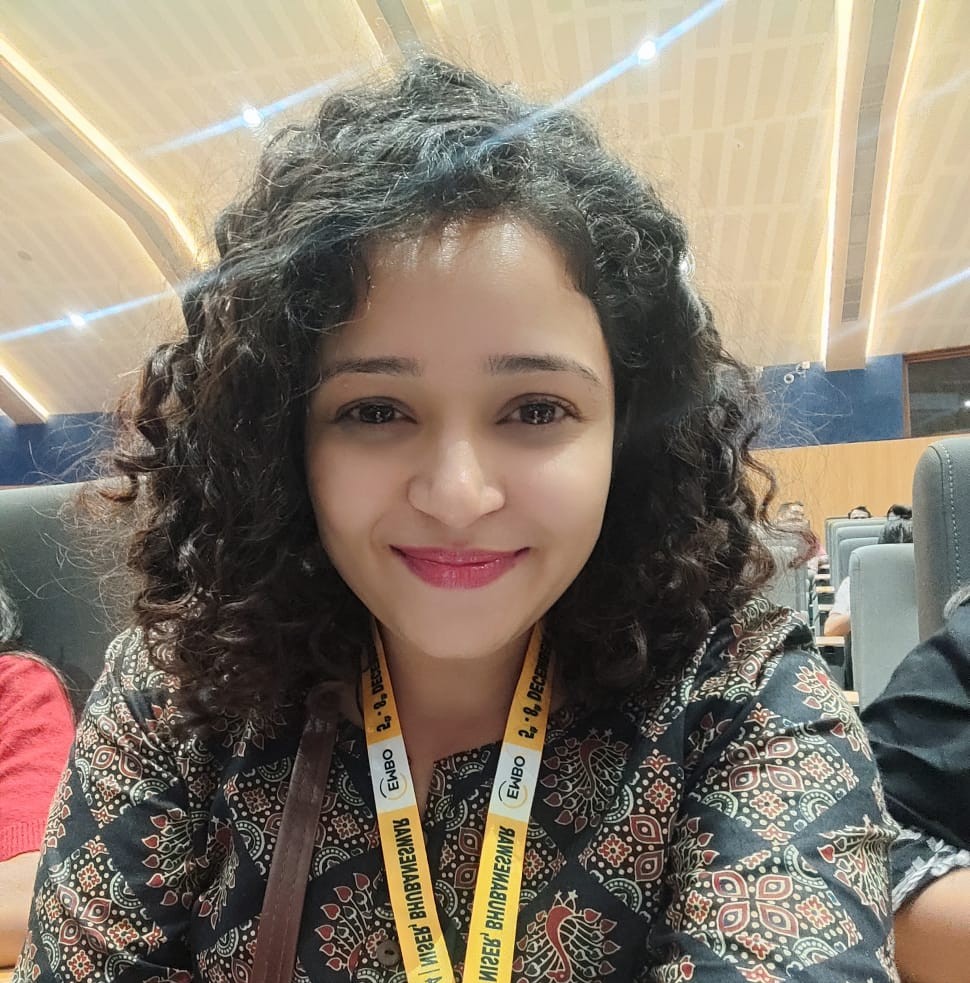
Namrata Pawar
(2021-26) - SRF (ICMR)
Submitted
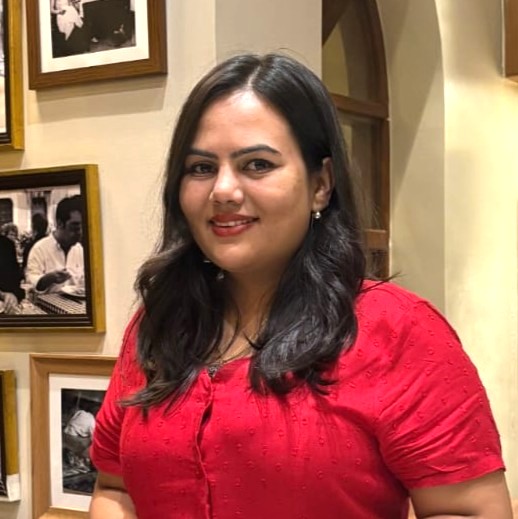
Vaishnavi Borade
(2022-Ongoing)
SRF (MJ-SRF)
Trainees & Interns (2025-26)
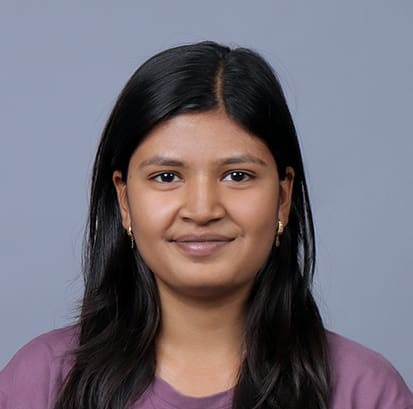
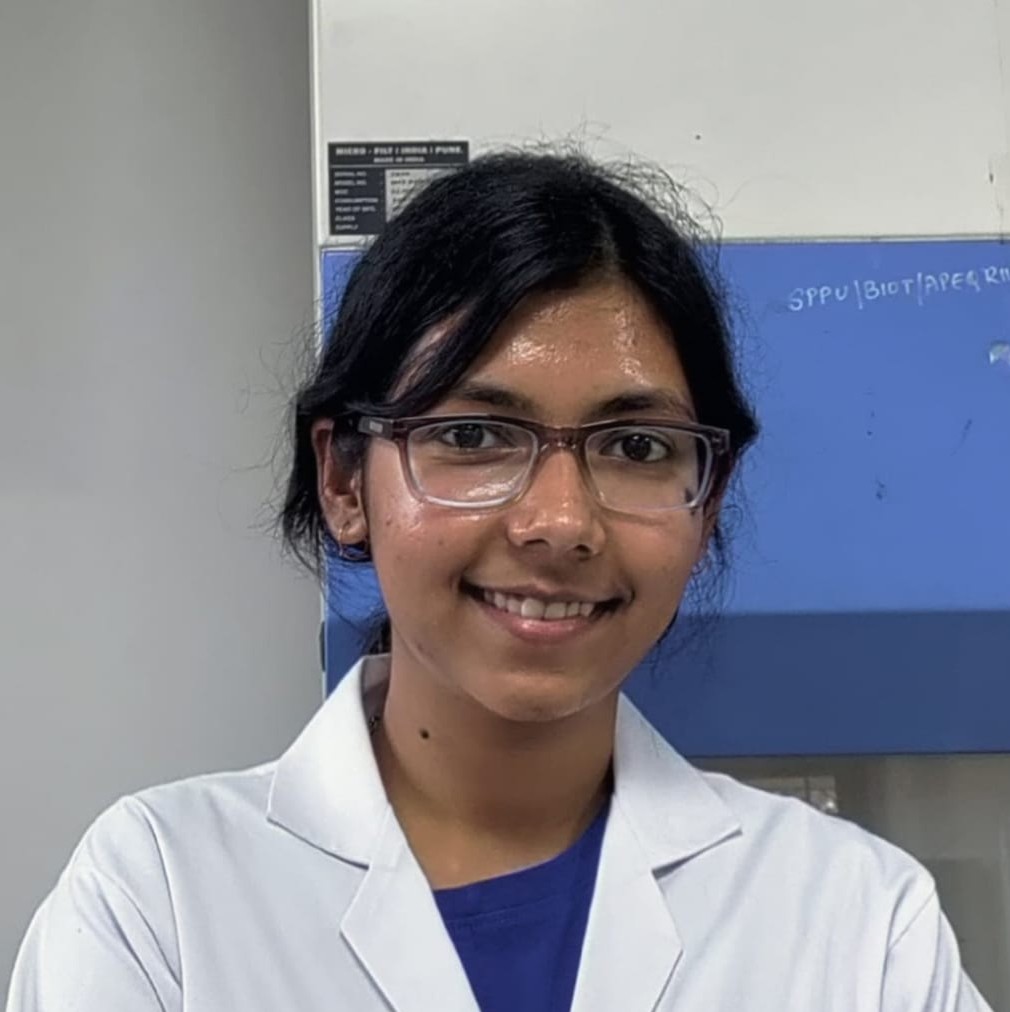
Nupur Kale
M.Sc. Biotech
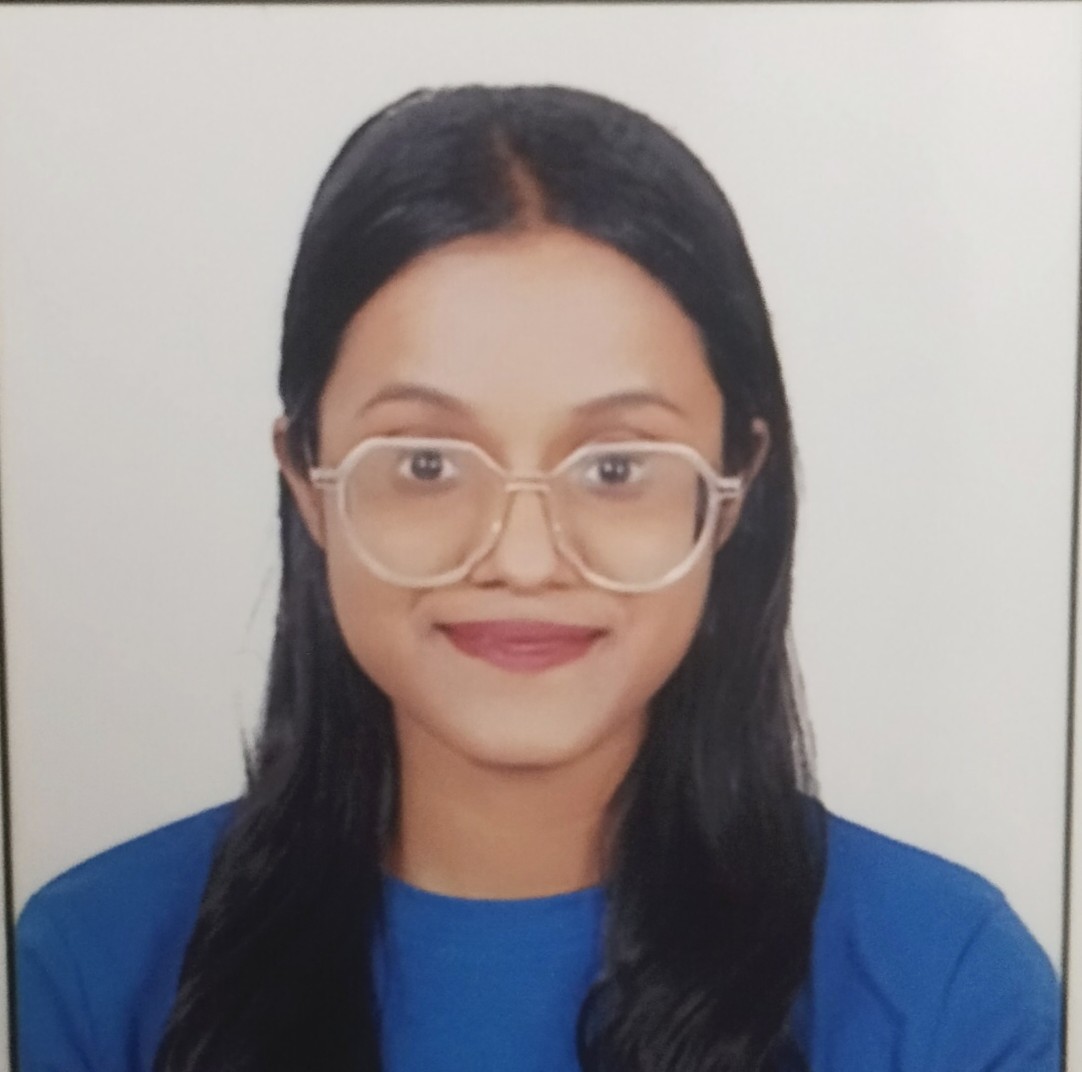
Prarona Sikdar
M.Sc. Biotech
Samruddhi Avhad
M.Sc. Biotech

Diksha Londhe
M.Sc. Biotech
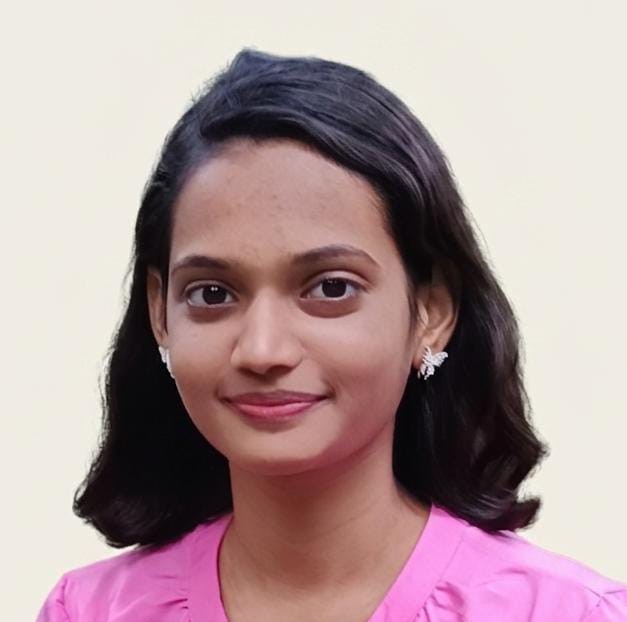
Navinya Birje
B.Sc. Biotech
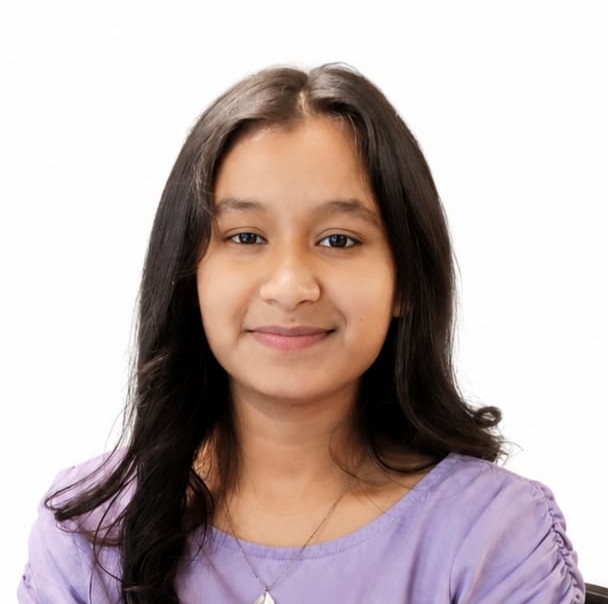
Shambhavi Nirmal
B.Sc. Biotech
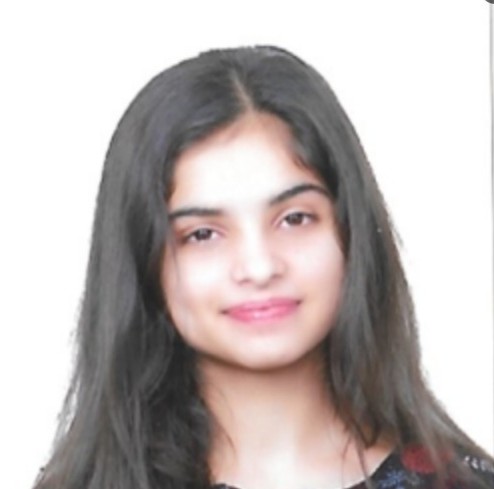
Gayatri Kappe
B.Sc. Biotech
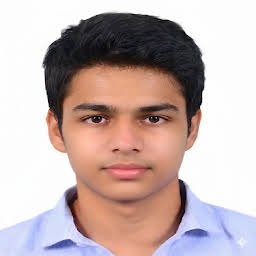
Aditya Subhedar
B.Tech CS & Eng.
Lab Alumni (Past Members)
Postdoctoral Research Associate
- Dr. Sneha Sagarkar - Scientist D, DYPU Pune
Ph.D. Awarded
- Dr. B. Nagalakshmi (2016-2020) - Postdoctoral Fellow, Iowa University, USA
- Dr. Prakash Kulkarni (2018-2024) - Senior Research Fellow, Reliance Life Sciences, Mumbai
- Dr. Gouri Jadhav (2020-2025) - Ph.D. Awarded
M.Sc. Alumni (35 Completed Projects)
- Shruti Mishra (2015-16) - BARC, Mumbai
- Priyanka Raina (2015-16) - Reddy’s Discovery Program, Hyderabad
- Tanmayi Bhamburkar (2015-16) - Venky’s Research, Pune
- Namrata Pawar (2016-17) - PhD, SPPU
- Meha Jadhav (2016-17) - University of Konstanz, Germany
- Richa Sirmaur (2017-18) - IISc, Bangalore
- Abhinav Srivastava (2017-18) - NISER, Bhubaneswar
- Sananda Biswas (2018-19) - IISc, Bangalore
- Navneet Shahi (2018-19) - IISc, Bangalore
- Vaidehi Rajguru (2018-19) - CCMB, Hyderabad
- Sagarika Das (2019-20) - IIT, Kharagpur
- Bhaskarjyoti Giri (2019-20) - IIT, Kharagpur
- Bhagyashri Bhoir (2019-20)
- Apurva Sonawane (2020-21) - Industry
- Pratik Gawali (2020-21) - NIV Pune
- Neha Sapkal (2020-21) - PhD, Max Planck Institute, Florida, USA
- Sachit Chaubey (2021-22) - Allen Institute
- Sneha Sapkal (2021-22) - RARI, Pune
- Sai Kulkarni (2021-22) - MIT, Boston, USA
- Deepa Bam (2021-22) - DPS School; Dubai
- Smruti Sahoo (2022-23) - JNCASR, Bangalore
- Shivani Havaldar (2022-23) - Max Planck Florida Institute of Neuroscience
- Darshna Pandey (2022-23) - ICGEB, New Delhi
- Janhvi Navin (2022-23) - IISc, Bangalore
- Aadesh Kapadne (2022-23) - NCCS, Pune
- Harshita Pandey (2023-24)
- Vaishnavi Kamble (2023-24) - NBRC, Bangalore
- Pragya Singh (2024-25) - BHU Varanasi
- Abhilasha Chaware (2024-25)
- Rashi Kumari (2024-25) - CDFD Hyderabad
- Nikita Gaikwad (2024-25) - SPPU, Pune
- Unmani Harsulkar (B.Sc. Biotechnology)
- Maithili Borkute (Biotechnology)
- Avanti Kale (Biotechnology)
- Anushka Walupante (Biotechnology)
- Anuja Kamble (Human Genetics)
Consultancy Services
- M/s Scitesla Pvt. Ltd., Navi Mumbai: Histology, Analysis, Interpretation (2024-25, Cost: Rs. 38,940).
Professional Affiliations
- Secretary, Society for Neuropeptides and Neuroendocrinology, India.
- Treasurer, University Faculty Association, India.
- Life Member, Indian Academy of Neurosciences, India (LS-284).
- Life Member, Society for Mitochondrial Research and Medicine, India.
- Life Member, Indian Society for Comparative Endocrinology, India.
- Life Member, Vaidika Samshodhana Mandala, Tilak Vidyapeeth Nagar, Pune.
PhD Positions
Our lab is currently looking for highly motivated students from any subject of life sciences, who are interested in the field of molecular neuroscience.
- If you have any National fellowship (UGC-CSIR, DBT, etc.), you can quickly register for a PhD.
- Or else you can join the lab and apply for various projects and independent State-sponsored and Nationally-funded fellowships.
Share your CV and interests in joining our groups of highly excited and motivated students.
Post-doctoral Positions
If you have completed your PhD in any life science subject, but are interested in neuroscience, you are encouraged to apply for Nationally funded post-doctoral fellowships (DBT, DST, ICMR, etc.) through our lab.
You are someone who is highly motivated to indulge into the exciting and upcoming field of neuroscience. Contact us by sharing your CV and your interest area to continue for your post-doctoral work.
Interns/Trainees
We encourage students to pursue neuroscience by offering them Summer/Winter training opportunities. You will find our lab a place where doing science is fun.
If you are interested in enjoying doing neuroscience, visit our lab or drop an email for training opportunities.
Work With Us
Interested in joining the Neuroepigenetics Lab? Contact us at:
amul.sakharkar@unipune.ac.in